AC Making Noise? What Different Sounds Mean (And How to Fix Them)
Living in Kepong or Kuala Lumpur means dealing with heat and humidity that never really goes away. We know that silence is golden when it’s 32°C outside and you just want to sleep.
Your air conditioner usually hums along quietly until something snaps, cracks, or pops.
Our team has responded to thousands of service calls where a simple sound was the first warning sign of a major failure.
The good news is that not every noise costs a fortune to fix.
We have found that identifying the specific sound early can save you from replacing an expensive compressor later.
This guide will break down exactly what your unit is trying to tell you and which issues you can safely handle yourself.
Normal vs. Abnormal Sounds
Normal Operating Sounds
You don’t need to worry about every little noise. Modern inverter units from brands like Daikin or Panasonic have specific operational sounds:
- Soft Humming: The outdoor compressor maintains a steady rhythm while running.
- Air Whooshing: A consistent flow of air through the vents is a sign of healthy fan operation.
- Plastic Clicking: Thermal expansion often causes the plastic casing to crackle slightly as the unit cools down or heats up.
- Water Trickling: A faint sound of running water is just the refrigerant changing state from liquid to gas.
Abnormal Sounds
New or violent noises require immediate investigation. If the sound disrupts your conversation or changes pitch suddenly, your AC is asking for help.
Sound Guide: What Each Noise Means
1. Rattling or Vibrating
What it sounds like: Loose items shaking, metal-on-metal contact, or a car idling roughly.
Possible causes:
- Loose Front Panel: The clips on the indoor unit cover often wear out after years of filter cleaning.
- Debris in the Blower: Small objects or hardened dust clumps can throw the blower wheel off balance.
- Loose Mounting: The outdoor unit’s bracket bolts may have vibrated loose over time.
- Fan Motor Mounts: Rubber isolation feet can degrade in Malaysia’s heat, causing metal-on-metal vibration.
Severity: Low to Medium
DIY check:
- Turn off the AC power at the isolator switch.
- Press your hand firmly against the front panel to see if the noise stops.
- Inspect the outdoor unit for loose screws or debris like dried leaves.
- Tighten any visible casing screws with a standard screwdriver.
When to call pro: If the rattling comes from deep inside the indoor blower unit, you likely have a balanced wheel issue that requires disassembly.
2. Buzzing
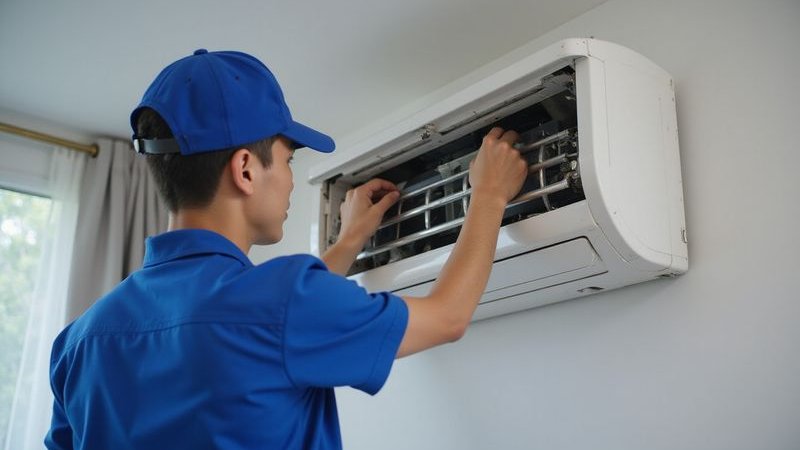
What it sounds like: An angry electrical humming or a trapped insect.
Possible causes:
- The “Cicak” Short Circuit: Small lizards (cicak) seeking warmth often crawl into the outdoor inverter board and cause electrical shorts.
- Contactor Failure: Ants and bugs can get crushed between the electrical contact points in the outdoor unit.
- Capacitor Failure: The starter capacitor may be bulging and unable to hold a charge.
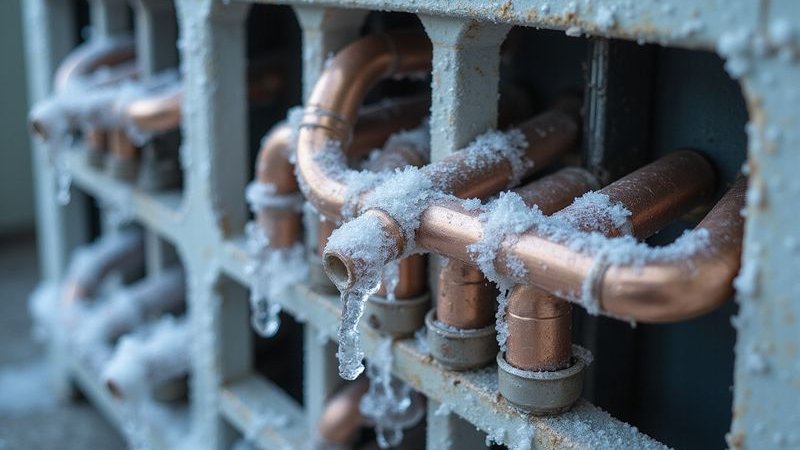
- Frozen Coil: Ice buildup on the evaporator coil can cause the fan to buzz against the ice.
Severity: Medium to High
DIY check:
- Stand near the outdoor unit to confirm if the sound is electrical or mechanical.
- Check for ice on the copper pipes leading into the wall.
- Clean away any leaves or obstructions around the outdoor compressor.
When to call pro: Electrical buzzing often precedes a total system failure. We recommend booking an inspection immediately if you suspect a board issue, as a new inverter board can cost upwards of RM 400.
3. Clicking (Repeated)
What it sounds like: A continuous ticking clock or a starter trying to ignite.
Possible causes:
- Thermostat Relay: The switch that signals the compressor to turn on is failing to engage.
- Fan Obstruction: A warped fan blade might be hitting the protective cage with every rotation.
- Control Board Issues: Electronic relays on the main PCB might be misfiring.
- Capacitor Struggle: A weak capacitor will click as it tries and fails to start the compressor.
Severity: Medium
DIY check:
- Replace the batteries in your remote control to rule out signal errors.
- Listen closely to determine if the clicking is rhythmic (fan related) or random (electrical).
- Reset the main power breaker to see if the system clears the error.
When to call pro: Continuous clicking without the compressor starting usually means you need a part replacement. Our technicians carry universal capacitors that can resolve this on the spot.
4. Squealing or Screeching
What it sounds like: High-pitched grinding, similar to metal brakes on a car.
Possible causes:
- Dry Fan Bearings: The lubrication in the fan motor bearings often dries out in our humid climate.
- Slipping Fan Belt: Older, larger commercial units may still use belt-driven fans that slip.
- Blower Wheel Rubbing: The indoor cylindrical fan may have shifted and is rubbing against the housing.
Severity: High
Immediate action: Turn off the AC immediately to prevent the motor from burning out.
DIY check: This is rarely a DIY fix. Lubricating sealed bearings is difficult without dismantling the motor.
When to call pro: You need a professional to replace the fan motor or bearings. Running the unit in this state will likely destroy the motor shaft, doubling your repair costs.
5. Hissing
What it sounds like: A steady release of high-pressure air or a snake in the room.
Possible causes:
- Refrigerant Leak: The copper pipes may have developed a pinhole leak due to formicary corrosion.
- High Pressure Release: The compressor’s internal safety valve is venting excess pressure.
- Incompatible Gas: Older piping handling newer R32 gas (which runs at higher pressures) may develop weak points.
Severity: High
Immediate action: If you see “smoke” (vapor) or smell a chemical odor, open windows and vacate the room.
DIY check: Look for oily residue on the copper pipes. Refrigerant oil often escapes with the gas, leaving a visible stain.
When to call pro: Refrigerant leaks require certified handling. We use specialized gauges to test pressure and vacuum pumps to clear the lines before recharging.
6. Banging or Clanking
What it sounds like: A heavy metallic impact, like a hammer hitting the unit.
Possible causes:
- Broken Connecting Rod: A critical internal part of the compressor has snapped.
- Detached Fan Blade: The outdoor fan blade has broken off its mount and is hitting the grille.
- Loose Compressor Mount: The spring mounts holding the heavy compressor have failed.
Severity: High (Critical)
Immediate action: Cut the power instantly.
DIY check: Do not restart the unit to “test” it. This sound indicates catastrophic internal damage.
When to call pro: You likely need a major repair or a new unit. Continuing to run it will destroy the remaining salvageable parts.
7. Gurgling or Bubbling
What it sounds like: Water running through a pipe or bubbles blowing in a drink.
Possible causes:
- Algae “Jelly” Blockage: High humidity in KL causes thick algae to form in the drain pan, trapping air bubbles.
- Low Refrigerant: Air has entered the refrigerant lines, creating bubbles in the liquid line.
- Improper Drainage: The drain pipe lacks the correct slope, causing water to trap air pockets.
Severity: Low to Medium
DIY check:
- Locate your drain hose (usually in the bathroom or balcony).
- Use a wet/dry vacuum to suck out the end of the drain line.
- Pour water into the indoor unit’s drain pan to test flow.
When to call pro: If suction doesn’t clear the noise, the blockage is likely deep inside the unit or the gas level is low.
8. Pulsating
What it sounds like: A rhythmic thumping or low-frequency heartbeat.
Possible causes:
- Dirty Condenser Coils: Dust pollution creates a thick mat on the outdoor unit, choking airflow and causing the fan to pulse.
- Uneven Mounting: The outdoor unit is vibrating against the wall bracket.
- Refrigerant Flow: The expansion valve may be “hunting” or struggling to regulate flow.
Severity: Medium
DIY check:
- Check if the outdoor unit is level.
- Place your hand on the plastic casing to see if dampening the vibration stops the noise.
When to call pro: If the sound is accompanied by warm air, the compressor is struggling to pump and needs assessment.
Quick Reference Table
| Sound | Common Cause in Malaysia | Urgency | Estimated Repair Cost (MYR) |
|---|---|---|---|
| Rattling | Loose casing / Filter clips | Low | RM 0 - RM 80 |
| Buzzing | Electrical / Lizard on board | High | RM 150 - RM 450 |
| Clicking | Capacitor / Thermostat | Medium | RM 120 - RM 250 |
| Squealing | Dry Fan Motor Bearings | High | RM 180 - RM 350 |
| Hissing | R32/R410A Gas Leak | High | RM 150 - RM 300 |
| Gurgling | Algae in Drain Pipe | Low | RM 120 - RM 180 |
Prevention Tips
Regular Maintenance
We recommend a chemical wash every 6-12 months due to local pollution levels.
- Clean Filters: Wash your plastic filters every two weeks to maintain airflow.
- Clear Debris: Ensure the outdoor unit on your balcony or porch is free from dried leaves.
Check Mounting
Vibration is the enemy of silence.
- Tighten Brackets: Ensure the outdoor bolts are tight and rust-free.
- Install Rubber Pads: Simple rubber absorbers under the compressor feet can reduce noise by 50%.
Listen for Changes
You are the best judge of your AC’s health.
- Baseline Sound: Learn what “normal” sounds like for your specific model.
- Act Fast: A small squeak is cheaper to fix than a seized motor.
When to Turn Off Your AC Immediately
Turn off your AC right away if you hear:
- Grinding metal-on-metal (indicates bearing failure).
- Loud banging (indicates broken internal parts).
- Electrical buzzing paired with a burning smell.
- High-pitched screaming (indicates high pressure).
Continuing to run a damaged AC can turn a simple RM 150 repair into a full unit replacement costing over RM 1,500.
Electrical hazards are also a real risk with these symptoms.
Getting Your AC Checked
Hearing unusual sounds from your AC? We suggest you don’t wait until the tropical heat takes over your home.
WhatsApp us at 012-2252 623 to describe what you’re hearing.
Our team can often diagnose the issue from a short video recording or description.
We will provide a clear quote before any work begins so there are no surprises.
Same-day service is available in Kepong, Mont Kiara, Desa ParkCity, and surrounding areas. Most noise issues can be resolved in a single visit.